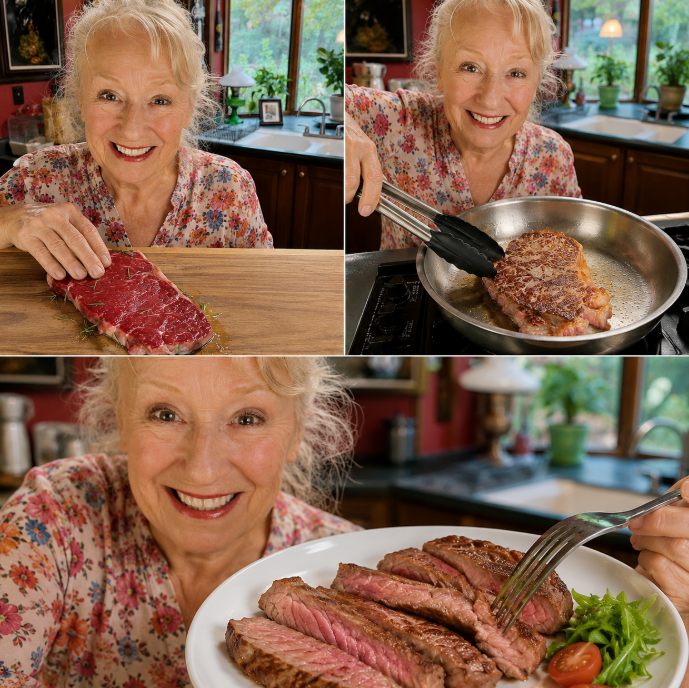
How to Cook the Perfect Steak: The Ultimate Guide to Tender, Juicy, Restaurant-Quality Beef at Home
Few dishes are as satisfying as a perfectly cooked steak. Crispy and caramelized on the outside, juicy and tender on the inside, steak is one of the most loved meals around the world. Yet many home cooks struggle to recreate the same rich flavor and texture found in professional steakhouses.
The good news is that cooking an incredible steak at home does not require expensive equipment or advanced culinary skills. The secret lies in understanding the meat, using proper cooking techniques, and avoiding a few common mistakes.
In this complete guide, you will learn how to cook the perfect steak step by step. From selecting the best cut of beef to mastering the sear and resting process, these expert tips will help you achieve juicy, flavorful steak every time.
Why Cooking Steak Properly Matters
Steak is more than just meat in a pan. Proper preparation transforms an ordinary cut of beef into a rich and unforgettable dining experience. A well-cooked steak should have:
- A deep golden-brown crust
- A juicy and tender center
- Rich beef flavor
- Balanced seasoning
- Proper texture in every bite
When steak is overcooked, under-seasoned, or prepared incorrectly, it quickly becomes dry, chewy, and disappointing. Fortunately, simple techniques can dramatically improve the final result.
Choosing the Best Cut of Steak
The quality of your steak starts with the cut of beef you choose. Not all cuts are equal when it comes to tenderness and flavor.
The best steaks usually contain marbling, which refers to the small streaks of fat distributed throughout the meat. During cooking, this fat melts and keeps the steak juicy and flavorful.
Best Steak Cuts for Home Cooking
Sirloin Steak
Sirloin is one of the best all-around cuts for home cooking. It offers a good balance between tenderness, flavor, and affordability. It is also the cut commonly recommended by many chefs for beginners.
Ribeye Steak
Ribeye is famous for its intense marbling and rich beef flavor. It is incredibly juicy and forgiving during cooking, making it ideal for steak lovers who enjoy a buttery texture.
Tenderloin Filet
Tenderloin is one of the softest cuts available. It has a delicate texture and elegant presentation, although it contains less fat and flavor than ribeye.

Cuts to Avoid
Some cuts tend to become tough when cooked as steaks, especially if not prepared properly. Avoid:
- Round steak
- Rump steak
- Shoulder cuts
- Very lean beef cuts
These cuts are better suited for slow cooking or braising rather than quick searing.
Thickness Is the Secret to Juicy Steak
One of the biggest mistakes people make is buying steaks that are too thin.
Thin steaks cook too quickly and easily become dry. They also struggle to develop a proper crust without overcooking the interior.
Ideal Steak Thickness
For the best results, choose steaks that are:
- At least 1.25 inches thick
- Ideally 1.5 to 2 inches thick
Thicker steaks allow you to create a crispy exterior while keeping the inside tender and juicy.
Why You Should Bring Steak to Room Temperature
Cooking steak directly from the refrigerator is another common mistake.
Cold meat placed on a hot pan cooks unevenly. The outside may burn before the center reaches the proper temperature.
What to Do Instead
Remove the steak from the refrigerator:
- 30 to 60 minutes before cooking
This helps the steak cook more evenly and prevents thermal shock.
Before cooking, pat the meat dry with paper towels. Removing excess moisture helps create a beautiful crust.
Preparing the Steak Before Cooking
Simple preparation steps can significantly improve flavor and texture.
Use Olive Oil Lightly
Instead of oiling the pan, lightly coat the steak itself with olive oil. This helps:
- Improve browning
- Prevent sticking
- Create a better crust
Add Fresh Herbs
Fresh rosemary is an excellent addition to steak preparation. Pressing rosemary needles onto the meat releases aromatic oils that enhance flavor during cooking.
You can also experiment with:
- Thyme
- Garlic
- Black pepper
- Crushed herbs
Should You Salt Steak Before Cooking?
Salt timing is extremely important.
Salt draws moisture out of the meat. If applied incorrectly, it can prevent proper browning.
The Two Correct Ways to Salt Steak
Option 1: Salt Early
Salt the steak:
- 40 to 60 minutes before cooking
This allows the moisture to be reabsorbed into the meat, improving tenderness and flavor.
Option 2: Salt After Cooking
You can also salt the steak immediately after cooking.
What to Avoid
Never salt steak:
- Right before cooking
- During cooking
This creates excess surface moisture and interferes with searing.
Choosing the Right Pan for Steak
Heat is one of the most important factors in steak cooking.
A weak pan or low heat will steam the meat instead of searing it.
Best Pans for Steak
Cast-Iron Pan
A cast-iron skillet retains heat extremely well and creates an exceptional crust.
Heavy Grill Pan
A heavy-bottom grill pan also works well for indoor cooking.
Avoid Lightweight Nonstick Pans
Thin nonstick pans do not retain enough heat for proper steak searing.
Understanding the Maillard Reaction
The delicious crust on steak comes from a chemical process called the Maillard reaction.
This reaction occurs when high heat transforms proteins and sugars on the surface of the meat into complex flavors and deep brown color.
Signs Your Pan Is Hot Enough
When the steak touches the surface, it should:
- Sizzle immediately
- Release a strong aroma
- Begin browning quickly
If there is no loud sizzle, the pan is not hot enough.
How to Cook Steak Perfectly
Now comes the most important step.
Step 1: Heat the Pan
Place your cast-iron skillet or grill pan over high heat until extremely hot.
Step 2: Add the Steak
Place the steak directly onto the hot surface.
Do not move it around.
Step 3: Leave It Alone
One of the biggest mistakes is constantly flipping or pressing the steak.
Let the meat stay untouched so the crust can form properly.
Cooking Time Guide
For a medium-rare steak:
- Cook approximately 2 to 3 minutes per side
Cooking times vary depending on thickness and desired doneness.
Internal Temperature Guide
- Rare: 120–125°F
- Medium rare: 130–135°F
- Medium: 140–145°F
- Medium well: 150–155°F
- Well done: 160°F and above
Never Use a Fork
Piercing steak with a fork releases valuable juices.
Instead, use:
- Tongs
- A spatula
Keeping the juices inside the meat is essential for tenderness.
Why Resting Steak Is Essential
Many people ruin a perfectly cooked steak by cutting it immediately.
When steak cooks, the juices move toward the center. Resting allows those juices to redistribute evenly.
Resting Times
- Whole steak: 2 to 3 minutes
- Sliced steak: about 1 minute
Loosely cover with foil while resting.
Skipping this step causes juices to spill onto the cutting board instead of staying inside the meat.
How to Slice Steak Correctly
Cutting steak the wrong way can make even tender beef feel chewy.
Always Slice Against the Grain
The grain refers to the direction of muscle fibers.
Cutting against the grain shortens these fibers and makes the steak easier to chew.
Diagonal Slicing
Professional chefs often slice steak diagonally into diamond-shaped pieces because it:
- Improves texture
- Enhances presentation
- Creates more tender bites
The Final Searing Trick
After slicing the steak, some chefs briefly return it to the hot pan for a few seconds.
This final step:
- Enhances flavor
- Adds additional caramelization
- Seals the sliced surfaces
Be careful not to overcook the meat during this quick finishing step.
Common Steak Cooking Mistakes
Using Cold Meat
Cold steak cooks unevenly and prevents proper searing.
Overcrowding the Pan
Too many steaks lower the pan temperature and create steam.
Low Heat
Steak requires intense heat for proper browning.
Overcooking
Steak continues cooking slightly after removal from heat.
Skipping the Rest
Resting is essential for juicy steak.
Best Side Dishes for Steak
Steak pairs beautifully with many classic side dishes.
Popular options include:
- Roasted potatoes
- Garlic butter mushrooms
- Grilled vegetables
- Caesar salad
- Creamed spinach
- Fresh arugula salad
How to Store Leftover Steak
Steak is best enjoyed immediately after cooking, but leftovers can still be delicious.
Refrigeration
Store steak in an airtight container for:
- Up to 1 day
How to Reheat Steak Without Drying It Out
The best reheating method is gentle heat.
Reheating Tips
- Use a skillet over low heat
- Add a small amount of butter or oil
- Heat slowly
Avoid microwaving, which can make steak rubbery.
Cold sliced steak also works wonderfully in:
- Salads
- Sandwiches
- Wraps
Ingredients for the Perfect Steak
- 2 thick beef sirloin steaks
- Fresh rosemary sprigs
- Extra virgin olive oil
- Salt
- Black pepper
Step-by-Step Steak Recipe
Step 1: Prepare the Meat
Pat the steaks dry with paper towels.
Massage lightly with olive oil and press fresh rosemary onto the surface.
Step 2: Heat the Pan
Heat a cast-iron skillet or grill pan until extremely hot.
Step 3: Cook the Steak
Place the steak on the hot surface and cook about 2 to 3 minutes per side.
Do not move or pierce the meat.
Step 4: Rest the Steak
Transfer to a cutting board and allow it to rest briefly.
Step 5: Slice and Serve
Slice diagonally against the grain and serve immediately.
Final Thoughts
Cooking the perfect steak is not complicated, but it does require attention to detail. Choosing a thick, high-quality cut, using high heat, respecting resting time, and slicing correctly can completely transform the final result.
With these techniques, you can create restaurant-quality steak at home that is tender, juicy, and packed with flavor.
Whether you prefer sirloin, ribeye, or tenderloin, mastering these simple steak-cooking methods will elevate your home cooking and impress everyone at the table.

