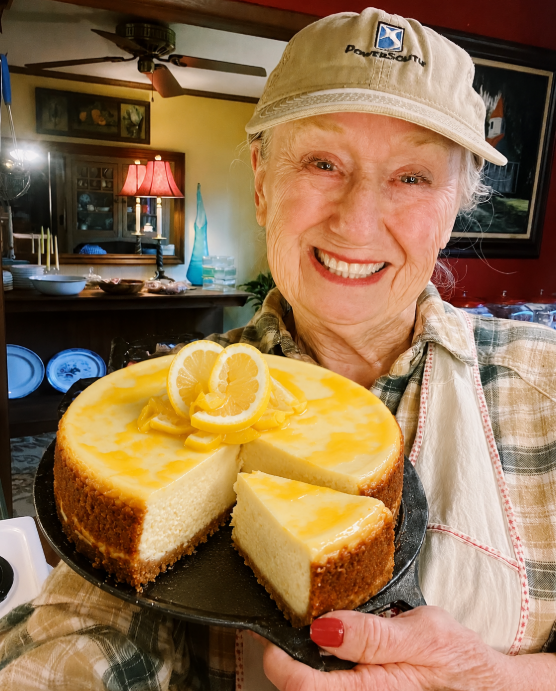
Lemon Cheesecake Recipe: A Bright and Creamy Dessert That Can Fit Into a Balanced Lifestyle
Lemon cheesecake is one of those timeless desserts that brings together richness, freshness, and comfort in every bite. The creamy texture of classic cheesecake combined with the vibrant flavor of fresh lemons creates a dessert that feels indulgent while still tasting light and refreshing. Whether you are preparing a special family dinner, planning a holiday gathering, or simply looking for a homemade dessert that feels elegant and satisfying, this lemon cheesecake recipe delivers outstanding results.
What makes this recipe especially appealing is the balance of flavors. The buttery graham cracker crust provides a crunchy base, the smooth cheesecake filling adds richness, and the homemade lemon curd brings a bright citrus finish that keeps every bite from feeling too heavy.
Beyond its delicious flavor, lemon-based desserts can also fit into a mindful eating lifestyle when enjoyed in moderation. Lemons are naturally rich in vitamin C and antioxidants, and homemade desserts allow you to control ingredient quality far better than many store-bought alternatives loaded with preservatives and artificial flavors.
In this detailed guide, you will learn everything you need to know about making the perfect lemon cheesecake at home, including ingredient breakdowns, baking tips, nutritional considerations, storage advice, and serving suggestions.
Why Lemon Cheesecake Is So Popular
Cheesecake has long been considered one of the most beloved desserts worldwide. Traditional cheesecake is known for its creamy texture and rich flavor, but adding lemon transforms it into something even more refreshing and balanced.
The acidity from fresh lemon juice cuts through the heaviness of cream cheese, creating a smoother and more vibrant taste experience. Lemon zest also adds natural aromatic oils that enhance the dessert without requiring artificial flavoring.
Here are a few reasons why lemon cheesecake continues to grow in popularity:
- Refreshing citrus flavor
- Smooth and creamy texture
- Balanced sweetness
- Elegant presentation
- Suitable for holidays and celebrations
- Easy to prepare ahead of time
- Pairs well with fresh fruit and tea
Unlike overly sweet desserts, lemon cheesecake offers complexity and freshness that appeal to a wide range of tastes.

Health and Nutrition Considerations
Although cheesecake is undeniably an indulgent dessert, homemade versions can still be part of a balanced diet when consumed mindfully.
Benefits of Homemade Desserts
Preparing desserts at home allows you to:
- Control sugar levels
- Use fresh ingredients
- Avoid preservatives and additives
- Reduce artificial flavorings
- Adjust portion sizes
Homemade cheesecake also tends to taste richer and more satisfying, which may help reduce overeating compared to processed desserts.
Nutritional Benefits of Lemons
Fresh lemons contain several beneficial nutrients, including:
- Vitamin C
- Antioxidants
- Plant compounds
- Natural citrus oils
- Small amounts of potassium
Vitamin C supports immune health and helps protect cells from oxidative stress. Lemon zest in particular contains concentrated aromatic oils that contribute flavor without adding many calories.
Mindful Dessert Consumption
A healthy relationship with food does not require eliminating desserts entirely. Instead, moderation and balance are key.
Enjoying a slice of homemade lemon cheesecake occasionally can fit into many healthy lifestyles when paired with:
- Balanced meals
- Regular physical activity
- Adequate hydration
- Proper portion control
Food should nourish both the body and emotional well-being, and homemade desserts often create meaningful family and social experiences.
Lemon Cheesecake Ingredients
This recipe is divided into three major components:
- Lemon curd
- Graham cracker crust
- Cheesecake filling
Each part contributes to the final texture and flavor.
Lemon Curd Ingredients
The homemade lemon curd adds a bright, tangy topping that elevates the cheesecake.
Ingredients
- 5 large eggs
- 1½ cups granulated sugar
- 1¼ cup fresh lemon juice
- ¼ cup lemon zest
- ¼ teaspoon salt
- 10 tablespoons unsalted butter
Why Lemon Curd Matters
Lemon curd creates contrast against the rich filling. Its tartness helps cleanse the palate and prevents the cheesecake from tasting overly heavy.
Fresh lemon juice is essential here because bottled juice lacks the brightness and natural oils found in freshly squeezed lemons.
Graham Cracker Crust Ingredients
The crust provides texture and buttery flavor.
Ingredients
- 1½ cups graham cracker crumbs
- ¼ cup granulated sugar
- ¼ cup unsalted butter, melted
- Pinch of salt
The Importance of a Good Crust
A proper crust should be:
- Crisp but not hard
- Buttery without becoming greasy
- Thick enough to support the filling
- Slightly sweet with mild saltiness
The pinch of salt enhances the flavor balance and prevents the crust from tasting flat.
Cheesecake Filling Ingredients
The filling is rich, smooth, and infused with fresh lemon flavor.
Ingredients
- 1½ cups granulated sugar
- ¼ cup lemon zest
- 2 pounds cream cheese, room temperature
- 8 ounces sour cream
- ¼ cup fresh lemon juice
- 5 large eggs, room temperature
Why Room Temperature Ingredients Matter
One of the most important cheesecake secrets is using room temperature ingredients.
Cold cream cheese can create lumps, while room temperature ingredients blend smoothly and evenly. This helps produce the creamy texture cheesecake is known for.
Step-by-Step Lemon Cheesecake Directions
Step 1: Prepare the Oven and Pan
Preheat your oven to 325°F (160°C).
Grease or line a springform pan to prevent sticking and make removal easier.
A springform pan is ideal because it allows you to remove the cheesecake without damaging the delicate crust and filling.
Step 2: Make the Graham Cracker Crust
In a mixing bowl, combine:
- Graham cracker crumbs
- Sugar
- Melted butter
- Salt
Mix until the texture resembles wet sand.
Press the mixture firmly into the bottom of the prepared pan.
Bake for 8 to 10 minutes, then remove and allow it to cool completely.
Pro Tip
Using the bottom of a measuring cup helps create an even, compact crust.
Step 3: Prepare the Lemon Curd
In a saucepan over medium-low heat, whisk together:
- Eggs
- Sugar
- Lemon juice
- Lemon zest
- Salt
Continue whisking until the mixture thickens.
Once thickened, remove from heat and stir in the butter until smooth and glossy.
Allow the lemon curd to cool before using.
Common Mistakes to Avoid
- Cooking over high heat can scramble the eggs
- Not whisking continuously may create lumps
- Adding butter too early can affect thickening
Patience is important when making lemon curd.
Step 4: Prepare the Cheesecake Filling
Rub the sugar and lemon zest together using your fingers. This releases natural citrus oils and intensifies flavor.
Beat the lemon sugar with the cream cheese until smooth.
Add:
- Sour cream
- Lemon juice
Mix until combined.
Then add eggs one at a time, mixing gently after each addition.
Avoid overmixing once the eggs are added, as excess air can cause cracking during baking.
Step 5: Bake the Cheesecake
Pour the filling over the cooled crust.
Bake until the center is slightly set but still has a gentle wobble.
The cheesecake will continue firming as it cools.
Baking Tips
- Avoid opening the oven frequently
- Sudden temperature changes may cause cracks
- Slight wobbling in the center is normal
Step 6: Cool and Chill
Allow the cheesecake to cool completely at room temperature.
Then refrigerate for several hours or overnight.
Chilling is essential because it helps:
- Improve texture
- Enhance flavor
- Create clean slices
- Firm the filling properly
Cheesecake almost always tastes better the next day.
Step 7: Add the Lemon Curd
Spread the cooled lemon curd evenly across the top before serving.
The glossy lemon topping creates a bakery-style finish and boosts citrus flavor beautifully.
How to Prevent Cheesecake Cracks
Cracking is one of the most common cheesecake issues, but it is easy to minimize with proper technique.
Use Room Temperature Ingredients
Cold ingredients do not blend smoothly and can trap air.
Avoid Overmixing
Too much air in the batter expands during baking and collapses later.
Do Not Overbake
The center should still jiggle slightly when removed from the oven.
Cool Gradually
Rapid temperature changes can stress the cheesecake surface.
Even if cracks occur, the lemon curd topping covers them beautifully.
Best Lemons for Cheesecake
Fresh lemons make a major difference in flavor quality.
The best varieties include:
- Meyer lemons
- Eureka lemons
- Lisbon lemons
Meyer lemons are slightly sweeter and less acidic, creating a softer citrus flavor.
Storage Tips
Proper storage helps maintain freshness and texture.
Refrigerator Storage
Store covered in the refrigerator for up to 5 days.
Freezing Instructions
You can freeze cheesecake for up to 2 months.
Wrap slices individually for easier serving later.
Allow frozen cheesecake to thaw overnight in the refrigerator.
Serving Suggestions
Lemon cheesecake pairs beautifully with many toppings and beverages.
Fresh Fruit Pairings
- Strawberries
- Blueberries
- Raspberries
- Blackberries
Beverage Pairings
- Green tea
- Earl Grey tea
- Coffee
- Sparkling water
- Herbal tea
The acidity of berries complements the lemon flavor exceptionally well.
Can Lemon Cheesecake Be Made Healthier?
Yes, several modifications can slightly reduce calories and fat while preserving flavor.
Possible Healthier Substitutions
- Reduced-fat cream cheese
- Greek yogurt instead of sour cream
- Reduced sugar amounts
- Whole grain graham crackers
However, balance is important. Sometimes enjoying a traditional recipe in moderation can feel more satisfying than heavily altering the texture and taste.
Why Homemade Cheesecake Is Better Than Store-Bought
Many commercial cheesecakes contain:
- Artificial preservatives
- Excess sugar
- Stabilizers
- Artificial flavors
- Hydrogenated oils
Homemade cheesecake offers fresher flavor and cleaner ingredients.
You can also customize:
- Sweetness level
- Lemon intensity
- Crust thickness
- Portion size
Homemade desserts often create stronger emotional satisfaction because of the care involved in preparing them.
Frequently Asked Questions
Can I Make Lemon Cheesecake Ahead of Time?
Yes. In fact, cheesecake tastes even better after chilling overnight.
Can I Use Bottled Lemon Juice?
Fresh lemon juice is strongly recommended for the best flavor.
Why Did My Cheesecake Crack?
Common causes include:
- Overmixing
- Overbaking
- Sudden cooling
- Cold ingredients
Can I Freeze Lemon Cheesecake?
Yes, cheesecake freezes very well for future enjoyment.
Final Thoughts
This Lemon Cheesecake recipe combines rich creaminess with refreshing citrus flavor to create a dessert that feels both luxurious and comforting. The buttery graham cracker crust, silky cheesecake filling, and tangy homemade lemon curd work together perfectly in every bite.
While cheesecake is certainly an indulgence, homemade desserts can still fit into a balanced lifestyle when enjoyed thoughtfully. Preparing desserts from scratch allows you to focus on quality ingredients, mindful portions, and the joy of sharing food with family and friends.
Whether you are baking for a celebration, a dinner party, or simply treating yourself to something special, this lemon cheesecake is a beautiful dessert that delivers impressive flavor and timeless appeal.
Creamy, tangy, and filled with fresh lemon brightness, this recipe is one you will want to save and make again and again.

