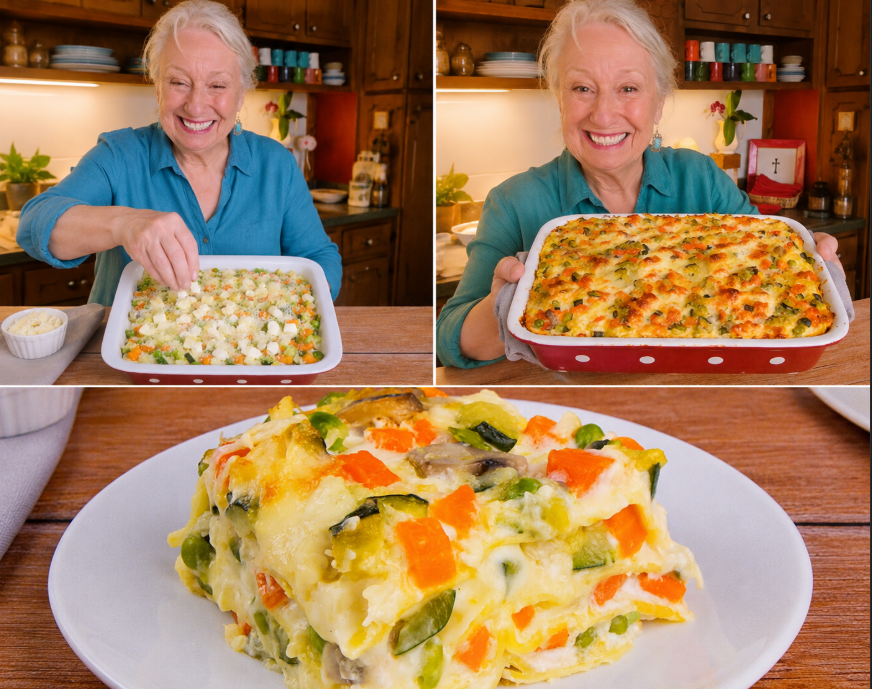
Stringy and Tasty Vegetarian Lasagna: The Ultimate Comfort Food Recipe for Every Occasion
Vegetarian lasagna is one of those dishes that never fails to bring warmth and comfort to the table. With layers of tender pasta, creamy béchamel sauce, colorful vegetables, melted mozzarella, and rich Parmesan cheese, this classic Italian-inspired recipe transforms simple ingredients into something unforgettable. Whether you are preparing a cozy family dinner, hosting friends for a weekend gathering, or looking for a satisfying meat-free meal, this stringy and tasty vegetarian lasagna is the perfect choice.
Unlike traditional lasagna recipes that rely heavily on meat sauces, this version celebrates the natural sweetness and texture of fresh vegetables. Mushrooms, peas, zucchini, carrots, and cauliflower combine beautifully to create a filling dish that is both hearty and nutritious. The creamy béchamel sauce ties everything together, while the bubbling golden cheese topping adds irresistible flavor and texture.
In this complete guide, you will learn everything you need to know about making the perfect vegetarian lasagna at home. From ingredient selection and cooking techniques to expert tips and storage advice, this article covers every detail so you can create a restaurant-quality lasagna in your own kitchen.
What Is Vegetarian Lasagna?
Vegetarian lasagna is a meat-free variation of the famous Italian baked pasta dish known as lasagna. Traditional lasagna typically contains layers of pasta sheets, meat ragù, béchamel sauce, and cheese. However, vegetarian lasagna replaces the meat with a medley of vegetables while keeping the rich, creamy, and comforting nature of the original dish.
Lasagna itself dates back centuries and is considered one of the oldest forms of pasta dishes in Italian cuisine. Over time, many regional variations emerged, allowing cooks to adapt the recipe according to local ingredients and personal preferences. Vegetarian lasagna has become especially popular because it offers a lighter, healthier alternative without sacrificing flavor.
This particular recipe focuses on vegetables such as zucchini, mushrooms, peas, carrots, and cauliflower. Combined with creamy béchamel sauce and layers of melted mozzarella and Parmesan cheese, the result is a perfectly balanced dish that feels indulgent yet wholesome.

Why You Will Love This Vegetarian Lasagna Recipe
There are countless reasons why this vegetarian lasagna recipe deserves a place in your regular meal rotation.
Rich and Comforting Flavor
The combination of sautéed vegetables, creamy sauce, and melted cheese creates deep, satisfying flavor in every bite.
Perfect for Meat-Free Meals
This recipe is ideal for vegetarians or anyone trying to reduce meat consumption while still enjoying hearty comfort food.
Great for Family Dinners
Lasagna is naturally designed for sharing, making it perfect for family meals, potlucks, and gatherings.
Make-Ahead Friendly
Vegetarian lasagna can easily be prepared in advance and baked later, saving time on busy days.
Excellent Leftovers
Many people believe lasagna tastes even better the next day after the flavors have had time to settle together.
Ingredients for Vegetarian Lasagna
One of the best things about this recipe is that it uses simple, accessible ingredients that work together beautifully.
Vegetables
Onion
Onion creates the flavor base of the dish and adds sweetness during cooking.
Mushrooms
Mushrooms bring an earthy, savory depth that gives the lasagna a rich texture similar to meat-based recipes.
Peas
Peas add freshness, sweetness, and vibrant color.
Zucchini
Zucchini contributes moisture and tenderness while blending naturally into the layers.
Carrots
Carrots provide subtle sweetness and texture.
Cauliflower
Cauliflower gives body and heartiness to the filling without overpowering the other vegetables.
Cheese
Parmesan Cheese
Parmesan adds a salty, nutty flavor that enhances every layer.
Mozzarella Cheese
Mozzarella is responsible for the delicious stringy texture that makes lasagna so satisfying.
Béchamel Sauce
Béchamel sauce is one of the essential components of authentic lasagna. Made from butter, flour, and milk, this creamy white sauce binds the layers together and prevents dryness.
Lasagna Sheets
You can use either regular or oven-ready lasagna sheets depending on your preference.
Olive Oil and Salt
Good-quality extra virgin olive oil and proper seasoning are crucial for building flavor throughout the dish.
Full Vegetarian Lasagna Recipe
Preparation Time
25 minutes
Cooking Time
70 minutes
Total Time
95 minutes
Servings
6 people
Difficulty Level
Easy
Ingredients List
- Extra virgin olive oil
- 1 onion, chopped
- 160g mushrooms, sliced
- 160g peas
- 2 zucchini, diced
- 3 carrots, diced
- 350g cauliflower, chopped
- Salt to taste
- 500ml béchamel sauce
- Lasagna sheets
- 140g Parmesan cheese, grated
- 260g mozzarella cheese, shredded
Step-by-Step Instructions
Step 1: Prepare the Vegetables
Heat a generous drizzle of extra virgin olive oil in a large pan over medium heat. Add the chopped onion and cook for several minutes until softened.
Next, add the mushrooms, peas, zucchini, carrots, and cauliflower. Stir everything together and season lightly with salt.
Cook the vegetables for about 10 to 15 minutes, stirring occasionally, until they become tender and most of the moisture evaporates.
This step is important because vegetables naturally release water during cooking. Removing excess moisture now helps prevent watery lasagna later.
Step 2: Prepare the Baking Dish
Spread a thin layer of béchamel sauce across the bottom of your baking dish.
This prevents the pasta from sticking and creates a creamy base for the first layer.
Step 3: Start Layering
Place a layer of lasagna sheets over the sauce.
Add a few spoonfuls of béchamel sauce on top and spread evenly.
Then add a layer of the cooked vegetable mixture.
Sprinkle generously with Parmesan and mozzarella cheese.
Step 4: Repeat the Layers
Continue layering pasta sheets, béchamel sauce, vegetables, Parmesan, and mozzarella.
Repeat this process about 5 to 6 times depending on the depth of your baking dish.
Make sure the final layer includes plenty of béchamel and cheese for a golden, bubbly top.
Step 5: Bake the Lasagna
Preheat your oven to 180°C (360°F).
Transfer the baking dish to the oven and bake for approximately 30 minutes or until the top becomes golden brown and bubbling.
If you want an even crispier top, place the dish on the upper oven rack for the last few minutes of baking.
Step 6: Rest Before Serving
Allow the lasagna to rest for about 10 minutes after removing it from the oven.
This helps the layers settle and makes slicing easier.
Serve warm and enjoy.
Tips for Making the Best Vegetarian Lasagna
Chop Vegetables Evenly
Uniform vegetable sizes ensure even cooking and consistent texture.
Cook Out Excess Moisture
Watery vegetables can ruin lasagna. Sauté thoroughly to evaporate moisture before layering.
Use Freshly Grated Cheese
Freshly grated Parmesan melts better and delivers stronger flavor compared to pre-packaged cheese.
Avoid Overloading with Sauce
Too much sauce can make the lasagna soggy. Aim for balanced layers.
Let the Lasagna Rest
Resting allows the layers to hold together properly when sliced.
Common Mistakes to Avoid
Using Raw Vegetables
Raw vegetables release water during baking and can create a watery lasagna.
Overcooking the Pasta
If using regular lasagna sheets, avoid overcooking them before layering.
Skipping the Resting Time
Cutting immediately after baking can cause the layers to collapse.
Too Little Cheese
Cheese helps bind the layers and creates the signature stretchy texture.
Best Vegetables for Vegetarian Lasagna
One of the greatest advantages of vegetarian lasagna is flexibility. You can customize the recipe using many different vegetables.
Popular options include:
- Spinach
- Eggplant
- Bell peppers
- Broccoli
- Kale
- Sweet potatoes
- Butternut squash
The key is balancing moisture levels and flavors.
What Makes Béchamel Sauce Important?
Béchamel sauce is one of the defining elements of traditional lasagna.
Unlike tomato-heavy sauces, béchamel creates a creamy, velvety texture that complements vegetables beautifully. It also helps soften the pasta sheets during baking and prevents dryness.
Without béchamel, vegetarian lasagna may feel less cohesive and less rich.
How to Prevent Watery Vegetarian Lasagna
A watery lasagna is one of the most common cooking problems, but it can easily be avoided.
Thoroughly Cook the Vegetables
Vegetables like zucchini and mushrooms contain large amounts of water.
Avoid Too Much Sauce
Excess sauce creates soggy layers.
Let the Lasagna Rest
Resting helps the structure firm up.
Use Proper Baking Time
Undercooked lasagna often contains excess liquid.
How to Get a Perfect Golden Cheese Topping
A golden-brown top layer makes lasagna even more appetizing.
For the best results:
- Use enough mozzarella and Parmesan
- Bake uncovered
- Finish under the broiler for 2 to 3 minutes if needed
- Place the dish on the upper rack near the end of cooking
Can Vegetarian Lasagna Be Frozen?
Yes, vegetarian lasagna freezes extremely well.
How to Freeze
Allow the lasagna to cool completely.
Wrap tightly with plastic wrap and aluminum foil to prevent freezer burn.
Store for up to 3 months.
How to Reheat Frozen Lasagna
Thaw overnight in the refrigerator.
Bake at 180°C (360°F) until heated through.
Cover with foil during reheating to prevent excessive browning.
How to Store Leftovers
Store leftover lasagna in airtight containers in the refrigerator for up to 3 days.
For best texture, reheat in the oven rather than the microwave.
What to Serve with Vegetarian Lasagna
Although lasagna is filling on its own, side dishes can complete the meal beautifully.
Popular side options include:
- Garlic bread
- Caesar salad
- Roasted vegetables
- Tomato salad
- Bruschetta
- Grilled asparagus
Is Vegetarian Lasagna Healthy?
Vegetarian lasagna can be part of a balanced diet thanks to its vegetable-rich filling.
Benefits include:
- Fiber from vegetables
- Protein from cheese
- Vitamins and minerals from fresh produce
- Reduced saturated fat compared to meat lasagna
You can also make lighter versions by using low-fat cheese or whole wheat pasta sheets.
Variations of Vegetarian Lasagna
Spinach and Ricotta Lasagna
A classic vegetarian version featuring creamy ricotta cheese and spinach.
Mushroom Lasagna
Perfect for mushroom lovers seeking deeper umami flavor.
Vegan Lasagna
Uses dairy-free cheese and plant-based béchamel sauce.
Gluten-Free Lasagna
Made with gluten-free pasta sheets.
Why Homemade Lasagna Is Better Than Store-Bought
Homemade vegetarian lasagna offers superior freshness, flavor, and texture.
You can control:
- Ingredient quality
- Salt levels
- Cheese amounts
- Vegetable combinations
Fresh homemade lasagna also avoids preservatives often found in frozen versions.
Frequently Asked Questions
Can I Make Vegetarian Lasagna Ahead of Time?
Yes. Assemble the lasagna up to one day in advance and refrigerate before baking.
Can I Use Store-Bought Béchamel Sauce?
Absolutely. Homemade is ideal, but store-bought versions work well for convenience.
Can I Add Tomato Sauce?
Yes. Some people enjoy combining tomato sauce with béchamel for additional flavor.
Which Cheese Melts Best?
Mozzarella is best for stretchy texture, while Parmesan adds flavor.
Final Thoughts
Stringy and tasty vegetarian lasagna is the ultimate comfort food for anyone who loves rich flavors, creamy textures, and satisfying homemade meals. Packed with colorful vegetables, layered with silky béchamel sauce, and topped with bubbling cheese, this dish proves that vegetarian cooking can be just as hearty and indulgent as traditional meat-based recipes.
Whether you are preparing dinner for your family, meal-prepping for the week, or hosting guests, this lasagna delivers warmth, flavor, and comfort in every bite. The recipe is flexible, beginner-friendly, and easy to customize based on your favorite vegetables and cheeses.
Once you try this homemade vegetarian lasagna, it may quickly become one of your favorite oven-baked pasta dishes.

