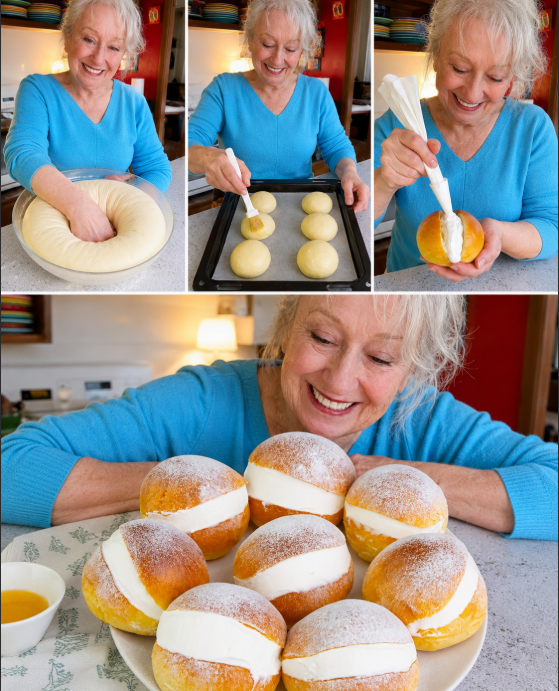
Soft Maritozzi: The Ultimate Italian Sweet Cream Buns Recipe
Soft, fluffy, lightly sweet, and filled with silky whipped cream, Maritozzi are one of Italy’s most beloved pastries. Originating from Rome, these irresistible cream-filled buns combine the richness of brioche-style dough with the delicate sweetness of freshly whipped cream. Whether served for breakfast, brunch, dessert, or with an afternoon coffee, maritozzi deliver a bakery-quality experience right from your kitchen.
In this complete guide, you will learn everything about authentic Italian maritozzi, including their history, ingredients, expert baking tips, storage methods, common mistakes to avoid, and a detailed step-by-step recipe that guarantees soft and airy buns every time.
If you are searching for the best homemade maritozzi recipe, this comprehensive article will help you master this classic Italian dessert like a professional baker.
What Are Maritozzi?
Maritozzi are traditional Italian sweet buns that are sliced open and generously filled with whipped cream. These buns are famous for their pillowy texture, slightly citrusy aroma, and creamy filling that melts in your mouth.
Originally from Rome, maritozzi have been enjoyed in Italy for centuries. Unlike heavy pastries, these buns are surprisingly light and airy, making them easy to enjoy any time of day.
The dough is enriched with ingredients like milk, eggs, honey, and oil, giving the buns a soft texture and subtle sweetness. After baking, each bun is carefully sliced and filled with freshly whipped cream before being dusted with powdered sugar.
Today, maritozzi are considered one of the most iconic Roman pastries and are commonly found in Italian bakeries and cafes.
The History of Maritozzi
The name “maritozzi” comes from the Italian word “marito,” meaning “husband.” Historically, these sweet buns were associated with romance and courtship.
According to Italian tradition, young men would gift maritozzi to their future brides. Sometimes, engagement rings or small jewelry pieces were hidden inside the cream filling as a surprise proposal.
Over time, maritozzi became a staple breakfast pastry in Rome and throughout Italy. Modern versions are now enjoyed worldwide thanks to their incredible flavor and elegant appearance.
Despite their luxurious look, maritozzi remain simple comfort food at heart.
Why You Will Love This Maritozzi Recipe
There are many reasons why this recipe stands out:
Incredibly Soft Texture
The dough produces buns that are fluffy, airy, and tender.
Rich Yet Light Flavor
The combination of honey, vanilla, milk, and orange zest creates a delicate flavor profile without becoming overly sweet.
Perfect for Any Occasion
Maritozzi can be served for breakfast, brunch, dessert, tea parties, holidays, or special gatherings.
Easy to Customize
You can experiment with different fillings, toppings, and flavors.
Authentic Italian Experience
This recipe captures the traditional Roman-style maritozzi enjoyed in Italy.

Ingredients for Italian Maritozzi
Using high-quality ingredients is essential for achieving bakery-style results.
Ingredients for the Dough
- 500g flour (about 4 cups)
- 7g dry yeast
- 25g sugar (2 tablespoons)
- 240ml milk (1 cup)
- 60ml vegetable oil (1/4 cup)
- 1 teaspoon vanilla extract
- 40g honey (2 tablespoons)
- 1 egg
- 1 teaspoon salt
- Orange zest
Ingredients for Brushing
- 1 egg
- A splash of milk
Ingredients for the Cream Filling
- 360ml heavy cream (1 1/2 cups)
- 30g powdered sugar (1/4 cup)
- Vanilla extract
For Garnishing
- Powdered sugar
Best Flour for Maritozzi
Bread flour or strong all-purpose flour works best because it develops enough gluten to create fluffy buns with structure.
Using weak flour may result in dense buns that do not rise properly.
If possible, choose flour with a protein content of around 11 to 13 percent.
Why Orange Zest Matters
Orange zest is a classic ingredient in authentic maritozzi recipes. It adds freshness and subtle citrus aroma that balances the richness of the cream.
Freshly grated orange zest is highly recommended for the best flavor.
Avoid bottled citrus flavorings whenever possible.
How to Make Soft Maritozzi Step by Step
Step 1: Prepare the Dough
In a large mixing bowl, combine the flour, dry yeast, and sugar.
Add:
- Milk
- Vegetable oil
- Vanilla extract
- Honey
- Egg
- Salt
- Orange zest
Mix everything until a rough dough forms.
Step 2: Knead the Dough
Transfer the dough to a clean work surface and knead until smooth and elastic.
This step is extremely important because proper kneading develops gluten, which creates the signature fluffy texture.
The dough should become:
- Soft
- Stretchy
- Slightly tacky but not sticky
A properly kneaded dough can stretch thinly without tearing.
Kneading usually takes:
- 10 to 15 minutes by hand
- 8 to 10 minutes using a stand mixer
Step 3: First Rise
Place the dough into a lightly greased bowl.
Cover with plastic wrap or a kitchen towel and let it rise for about 1 hour or until doubled in size.
The ideal rising temperature is warm but not hot.
If your kitchen is cold, place the bowl in:
- A slightly warm oven
- Near a warm window
- Inside a microwave with a cup of hot water
Step 4: Shape the Buns
Punch down the dough gently to remove excess air.
Divide it into 12 equal portions, approximately 80g each.
Roll each portion into a smooth ball.
Place the dough balls onto a baking sheet lined with parchment paper, leaving enough space between them.
Step 5: Second Rise
Cover the buns lightly and let them rise again for another hour or until doubled in size.
This second proofing is essential for achieving light and airy maritozzi.
Skipping this step can lead to dense buns.
Step 6: Brush with Egg Wash
Mix one egg with a splash of milk.
Brush the tops of the buns thoroughly for a shiny golden finish.
Be gentle so you do not deflate the dough.
Step 7: Bake the Maritozzi
Bake in a preheated oven at:
- 180°C
- 360°F
Bake for approximately 15 minutes or until beautifully golden brown.
The buns should feel light and sound hollow when tapped underneath.
Allow them to cool completely before filling.
Making the Perfect Whipped Cream Filling
The cream filling is one of the most important elements of maritozzi.
How to Whip the Cream Correctly
In a chilled bowl, combine:
- Heavy cream
- Powdered sugar
- Vanilla extract
Whip until stiff peaks form.
The cream should:
- Hold its shape
- Look smooth
- Remain creamy and silky
Avoid overwhipping because it can turn grainy or split into butter.
How to Fill Maritozzi
Once the buns are fully cooled:
- Slice each bun lengthwise without cutting all the way through.
- Pipe or spoon whipped cream generously inside.
- Use a spatula or knife to smooth the cream neatly.
Dust with powdered sugar before serving.
The result should look elegant, creamy, and irresistible.
Pro Tips for Perfect Maritozzi
Knead Thoroughly
Proper kneading ensures a soft, airy structure.
Under-kneaded dough produces dense buns.
Use Warm Ingredients
Milk and eggs should be room temperature or slightly warm.
Cold ingredients slow yeast activity.
Do Not Rush Rising Time
Allow the dough enough time to double in size during both rises.
Patience creates fluffier buns.
Avoid Adding Too Much Flour
The dough should remain soft.
Adding excess flour can make the buns dry.
Chill Your Mixing Bowl
Cold bowls help whipped cream whip faster and maintain stability.
Cool the Buns Completely
Warm buns can melt the cream filling.
Common Mistakes to Avoid
Overbaking
Overbaked maritozzi become dry instead of soft.
Bake only until golden brown.
Overwhipping the Cream
Whip only until stiff peaks form.
Overmixed cream becomes grainy.
Using Expired Yeast
Always check your yeast freshness before baking.
Inactive yeast prevents proper rising.
Filling Warm Buns
Never fill buns before cooling completely.
Variations of Maritozzi
One of the best things about maritozzi is how versatile they are.
Chocolate Maritozzi
Add cocoa powder to the dough or fill with chocolate cream.
Pistachio Maritozzi
Fill with pistachio cream and chopped pistachios.
Nutella Maritozzi
Add Nutella alongside whipped cream.
Coffee Cream Maritozzi
Flavor the whipped cream with espresso powder.
Fruit Maritozzi
Add strawberries, raspberries, or blueberries to the filling.
Can You Make Maritozzi Dairy-Free?
Yes.
To make dairy-free maritozzi:
- Replace milk with almond milk, oat milk, or soy milk
- Use whipped coconut cream instead of dairy cream
The texture remains deliciously soft and fluffy.
Can You Freeze Maritozzi?
Yes, but it is best to freeze the buns without cream filling.
How to Freeze
- Bake and cool the buns completely.
- Wrap tightly in plastic wrap.
- Store in a freezer-safe bag.
Freeze for up to 2 months.
Thaw at room temperature before filling with fresh cream.
How to Store Maritozzi
Fresh maritozzi are best enjoyed immediately after assembly.
However, leftovers can be stored in the refrigerator for:
- 2 to 3 days
Store them in an airtight container to prevent drying out.
Are Maritozzi Served for Breakfast or Dessert?
Traditionally in Italy, maritozzi are often enjoyed for breakfast alongside:
- Cappuccino
- Espresso
- Latte
However, they also make an elegant dessert for:
- Dinner parties
- Holidays
- Afternoon tea
- Celebrations
Their light texture makes them suitable for almost any occasion.
What Makes Maritozzi Different from Brioche?
Although similar, maritozzi are not exactly brioche.
Maritozzi
- Slightly lighter
- Often flavored with citrus
- Filled with whipped cream
Brioche
- Richer with butter
- Denser texture
- Usually served plain
Maritozzi have a more delicate and airy character.
Frequently Asked Questions
What Does Maritozzi Mean?
The name comes from “marito,” meaning “husband” in Italian.
Historically, these buns symbolized love and courtship.
Why Are My Maritozzi Dense?
Dense buns are usually caused by:
- Under-kneading
- Insufficient rising
- Expired yeast
- Too much flour
Can I Prepare the Dough Overnight?
Yes.
After kneading, refrigerate the dough overnight for slow fermentation.
The next day, allow it to return to room temperature before shaping.
Can I Use Instant Yeast?
Yes.
Instant yeast works very well and can be mixed directly into the flour.
How Do I Know When the Dough Is Ready?
The dough should:
- Feel smooth
- Stretch easily
- Pass the windowpane test
Why You Should Try Homemade Maritozzi
Homemade maritozzi offer a freshness and softness that bakery versions often cannot match.
The contrast between:
- Warm golden buns
- Cool whipped cream
- Light powdered sugar
creates a truly unforgettable dessert experience.
Making maritozzi from scratch also allows you to control:
- Sweetness
- Texture
- Filling quantity
- Flavor variations
Once you try homemade maritozzi, they may quickly become one of your favorite Italian pastries.
Final Thoughts
Maritozzi are a perfect example of how simple ingredients can create something extraordinary. These soft Italian sweet cream buns are elegant, comforting, and incredibly delicious.
With their fluffy yeast dough, fragrant citrus aroma, and luscious whipped cream filling, maritozzi capture the essence of classic Italian baking.
Whether you serve them for breakfast with coffee or as a beautiful dessert after dinner, these cream-filled buns are guaranteed to impress family and guests alike.
Now that you know all the secrets behind authentic Italian maritozzi, it is time to start baking your own batch at home.
Enjoy every soft, creamy, and delicious bite.

