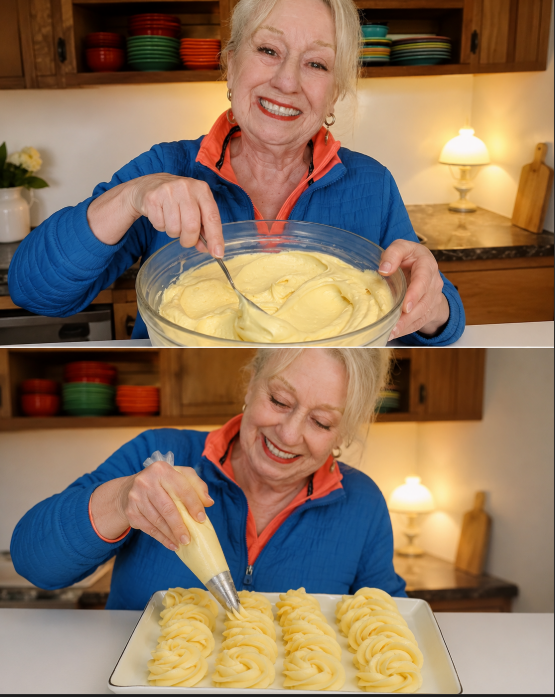
How to Make Mousseline Cream: The Ultimate French Butter Pastry Cream for Cakes
Mousseline cream is one of the most elegant and luxurious creams in French pastry. Rich, silky, smooth, and perfectly structured, this cream is widely used in professional bakeries for layered cakes, fruit tarts, mille-feuille, choux pastries, and refined desserts.
Known in French as crème mousseline, this classic cream starts with a traditional pastry cream and becomes transformed through the addition of softened butter. The result is a cream that is airy yet stable, light yet indulgent, and ideal for piping or filling sophisticated desserts.
If you want to elevate your homemade pastries to bakery-quality standards, learning how to make mousseline cream is essential. In this complete guide, you’ll discover everything you need to know about this iconic French cream, including ingredients, step-by-step instructions, professional tips, storage methods, common mistakes, and creative flavor variations.
What Is Mousseline Cream?
Mousseline cream is a French pastry cream enriched with butter. Unlike regular custard or pastry cream, mousseline has a lighter texture and a firmer structure thanks to the emulsification process created by whipping softened butter into chilled pastry cream.
The butter completely transforms the cream. Instead of simply adding richness, it creates a stable and velvety texture that can hold its shape beautifully in cakes and pastries.
Because of its stability and luxurious mouthfeel, mousseline cream is commonly used in classic French desserts such as:
- Fraisier cake
- Paris-Brest
- Mille-feuille
- Fruit tarts
- Layer cakes
- Éclairs
- Entremets
When properly prepared, mousseline cream should be:
- Smooth
- Glossy
- Light
- Pipeable
- Stable after chilling
- Rich without feeling greasy

Why You’ll Love This French Pastry Cream
There are many reasons why pastry chefs love mousseline cream:
Perfect Texture
The cream is silky, airy, and luxurious while still being stable enough for professional cake decorating.
Ideal for Layer Cakes
Unlike softer fillings, mousseline cream holds its shape beautifully when chilled, making it ideal for layered desserts.
Versatile
You can flavor mousseline cream with chocolate, coffee, praline, pistachio, vanilla, citrus, and many other ingredients.
Professional Appearance
It pipes beautifully and creates clean cake slices with elegant layers.
Make-Ahead Friendly
In fact, mousseline cream tastes even better after resting overnight in the refrigerator.
Ingredients for Mousseline Cream
To make authentic French mousseline cream, you only need a few basic ingredients.
Ingredients
- 750 ml whole milk
- 6 egg yolks
- 250 g sugar
- 100 g cornstarch
- 1 vanilla bean
- 340 g softened butter at 18°C
Understanding the Role of Each Ingredient
Whole Milk
Whole milk provides richness and creates the smooth base for the custard. Avoid low-fat milk because the texture will be less creamy.
Egg Yolks
Egg yolks help thicken the cream while adding flavor and color.
Sugar
Sugar sweetens the cream and also helps stabilize the egg mixture during whisking.
Cornstarch
Cornstarch thickens the pastry cream and gives it enough structure to support the butter emulsion.
Vanilla Bean
Real vanilla bean adds deep, aromatic flavor that elevates the cream significantly compared to vanilla extract.
Butter
Butter is the defining ingredient of mousseline cream. It creates the silky texture and stable structure that makes this cream unique.
How to Make Mousseline Cream Step by Step
Making mousseline cream requires patience and attention to temperature, but the process itself is simple.
Follow these detailed instructions carefully for the best results.
Step 1: Prepare the Butter
Cut the butter into small cubes and leave it at room temperature.
The butter should become:
- Soft
- Flexible
- Cool to the touch
- Not melted
- Not greasy
Proper butter temperature is essential for successful emulsification later.
Step 2: Infuse the Milk with Vanilla
Split the vanilla bean lengthwise and scrape out the seeds.
Add both the seeds and the pod into a saucepan with the milk.
Heat gently over low heat until the milk becomes hot.
Do not allow the milk to boil.
Heating the milk slowly helps extract maximum vanilla flavor while preventing scorching.
Step 3: Whisk the Egg Yolks and Sugar
In a separate mixing bowl, whisk together:
- Egg yolks
- Sugar
Continue whisking for several minutes until the mixture becomes:
- Pale
- Slightly thickened
- Smooth
This step helps dissolve the sugar and creates a more stable custard.
Step 4: Add the Cornstarch
Sift the cornstarch into the egg mixture.
Whisk until fully smooth and lump-free.
Proper mixing at this stage prevents lumps from forming during cooking.
Step 5: Temper the Eggs
Slowly pour the warm milk into the egg mixture while whisking constantly.
This process is called tempering.
Tempering gradually raises the temperature of the eggs and prevents scrambling.
Once fully combined, return the mixture to the saucepan.
Step 6: Cook the Pastry Cream
Cook over very low heat while stirring continuously with a whisk or spatula.
The cream should thicken slowly and gently.
The ideal temperature is approximately 85°C.
Do not let the mixture boil.
Boiling can:
- Break the emulsion
- Overcook the eggs
- Create a grainy texture
- Destabilize the starch structure
The finished pastry cream should look:
- Smooth
- Thick
- Silky
- Slightly softer than traditional pastry cream
Remove from the heat immediately once thickened.
Step 7: Cool the Custard Completely
Transfer the pastry cream to a clean bowl.
Place plastic wrap directly on the surface of the cream to prevent skin formation.
Allow the cream to cool to room temperature before refrigerating.
The custard must become fully cold before adding the butter.
Step 8: Beat the Custard
Once chilled, briefly beat the pastry cream to loosen its texture.
This step helps create a smoother final emulsion.
Step 9: Add the Butter
Add the softened butter gradually or in two additions.
Beat with an electric mixer until the cream becomes:
- Smooth
- Glossy
- Light
- Airy
- Homogeneous
The transformation at this stage is remarkable. The cream becomes lighter in color and much silkier in texture.
Step 10: Chill Before Using
Refrigerate the mousseline cream for at least 2 hours before using.
Resting allows the emulsion to stabilize and firm up properly.
For best results, prepare the cream one day ahead.
Professional Tips for Perfect Mousseline Cream
Use Butter at the Correct Temperature
Butter that is too cold will not emulsify properly.
Butter that is too warm may cause the cream to collapse.
Aim for soft butter around 18°C.
Never Boil the Custard
Gentle cooking is the secret to a smooth texture.
High heat can ruin the consistency permanently.
Match Temperatures Before Mixing
The butter and pastry cream should be at similar cool room temperatures before combining.
This prevents splitting.
Beat Long Enough
Whipping properly introduces air and creates the signature light texture.
Do not stop mixing too early.
Use High-Quality Butter
Because butter is a major component, its flavor matters significantly.
European-style butter with higher fat content gives exceptional results.
Common Mistakes and How to Fix Them
Why Did My Mousseline Cream Split?
This usually happens because the butter and custard were at different temperatures.
Fix:
Place the bowl briefly over warm water and continue beating.
The emulsion often comes back together once temperatures equalize.
Why Is My Cream Grainy?
Graininess typically occurs from overheating the custard or boiling it.
Always cook gently over low heat.
Why Is My Cream Too Soft?
Possible causes include:
- Butter too warm
- Custard not chilled enough
- Insufficient refrigeration time
Simply chill longer before using.
Why Is My Cream Too Firm?
Over-chilling can make mousseline cream very firm because of the butter content.
Allow it to sit at room temperature for 15–20 minutes before using.
Flavor Variations
One of the best things about mousseline cream is how versatile it is.
Here are some delicious flavor ideas.
Chocolate Mousseline Cream
Add melted dark chocolate after the butter is fully incorporated.
This version is perfect for cakes and éclairs.
Coffee Mousseline Cream
Mix in espresso extract or strong coffee concentrate.
Excellent for opera cake and coffee pastries.
Pistachio Mousseline Cream
Add pistachio paste for a luxurious nutty flavor and pale green color.
Praline Mousseline Cream
Fold in hazelnut praline paste for classic French bakery flavor.
Citrus Mousseline Cream
Add lemon or orange zest for freshness and brightness.
Vanilla Bean Mousseline Cream
Using extra vanilla creates an elegant classic flavor ideal for fruit desserts.
Best Desserts to Use Mousseline Cream
Mousseline cream works beautifully in many pastries and cakes.
Fraisier Cake
Perhaps the most famous dessert featuring mousseline cream.
Fresh strawberries and cream create an elegant French classic.
Mille-Feuille
The stable texture holds perfectly between crisp puff pastry layers.
Fruit Tarts
Mousseline cream pairs beautifully with berries, peaches, kiwi, and citrus fruits.
Paris-Brest
Traditionally filled with praline mousseline cream.
Layer Cakes
Ideal for structured cakes that require stable fillings.
Éclairs and Choux Pastries
Its rich texture makes it a luxurious filling option.
How to Store Mousseline Cream
Store mousseline cream in an airtight container in the refrigerator for up to 3 days.
Before using:
- Let it soften slightly at room temperature
- Whisk briefly to restore smoothness
Always keep desserts filled with mousseline cream refrigerated.
Can You Freeze Mousseline Cream?
Freezing is not recommended.
The butter emulsion can separate during thawing, resulting in a grainy or unstable texture.
Fresh preparation always gives the best results.
Frequently Asked Questions
What Is the Difference Between Pastry Cream and Mousseline Cream?
Pastry cream is a custard thickened with eggs and starch.
Mousseline cream starts with pastry cream but includes a large amount of butter, giving it a firmer, lighter, and more luxurious texture.
Is Mousseline Cream Stable for Cake Decorating?
Yes. Once chilled, it becomes stable enough for piping borders, filling cakes, and layering desserts.
Can I Make Mousseline Cream Ahead of Time?
Absolutely.
In fact, preparing it the day before often improves texture and stability.
Why Must the Custard Not Boil?
Boiling can damage the starch structure and overcook the egg proteins, resulting in a grainy texture.
Gentle heat ensures smoothness.
Can I Use Vanilla Extract Instead of Vanilla Bean?
Yes, although vanilla bean provides deeper flavor and visible vanilla specks that look more professional.
Final Thoughts
Mousseline cream is one of the true treasures of French pastry. Rich yet refined, stable yet silky, it transforms simple cakes and pastries into elegant desserts worthy of a professional bakery.
Although it requires attention to detail and careful temperature control, the process itself is straightforward once understood.
Mastering mousseline cream opens the door to countless classic French desserts, from Fraisier and mille-feuille to luxurious tarts and celebration cakes.
With its velvety texture, glossy finish, and incredible versatility, this French butter pastry cream is a recipe every passionate baker should learn.

