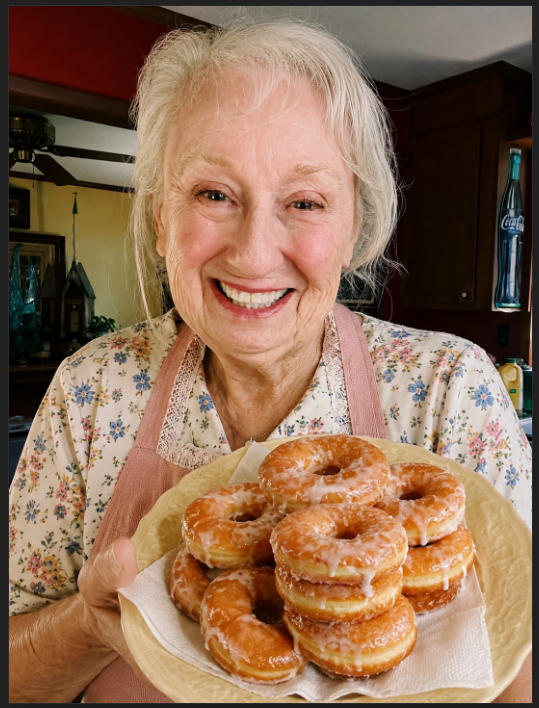
Homemade Glazed Donuts Recipe: Soft, Fluffy, Bakery-Style Perfection
Few things compare to the joy of biting into a warm homemade glazed donut. The delicate golden crust, the soft and airy center, and the sweet vanilla glaze create a comforting treat that feels both nostalgic and irresistible. While bakery donuts are convenient, making glazed donuts from scratch at home delivers a freshness and flavor that simply cannot be matched.
This homemade glazed donuts recipe is designed for anyone who wants bakery-quality results right from their own kitchen. The dough is light and fluffy, the glaze is smooth and glossy, and the entire process is surprisingly rewarding. Whether you are preparing breakfast for family, making a weekend dessert, or simply satisfying a sweet craving, these donuts are guaranteed to impress.
In this complete guide, you will learn everything you need to know about making perfect glazed donuts at home, including ingredient tips, dough techniques, frying secrets, glaze variations, storage methods, and troubleshooting advice.
Why Homemade Glazed Donuts Are Worth Making
Homemade donuts have a texture and flavor that store-bought versions rarely achieve. Freshly fried donuts are incredibly soft with a tender crumb that melts in your mouth. The glaze seeps slightly into the warm donut surface, creating that signature sweet crackle finish everyone loves.
Here are some reasons why this recipe stands out:
- Soft and fluffy interior
- Lightly crisp golden exterior
- Sweet vanilla glaze
- Simple pantry ingredients
- Easy to customize
- Freezer-friendly
- Perfect for breakfast, brunch, or dessert
Once you make donuts from scratch, you may never want packaged donuts again.

What Makes a Great Glazed Donut?
A classic glazed donut is all about balance. The dough should be rich yet light, sweet but not overpowering. The glaze should complement the donut without making it overly sugary.
The best glazed donuts have:
- A fluffy yeast-raised dough
- Even frying for a golden crust
- A smooth vanilla glaze
- Slight crispness on the outside
- Soft, airy texture inside
Achieving this texture is easier than most people think when you follow the right techniques.
Preparation Time
Making homemade donuts requires patience, mainly because of the rising time. However, the actual hands-on work is very manageable.
- Prep Time: 20 minutes
- Rise Time: 1 to 1½ hours
- Cook Time: 2 to 3 minutes per batch
- Total Time: About 2 hours
Servings
This recipe makes approximately 12 to 14 donuts, depending on the cutter size.
Calories
Each glazed donut contains approximately:
- 220 to 260 calories
The final calorie count depends on the size of the donuts and the amount of glaze used.
Ingredients for Homemade Glazed Donuts
For the Dough
- 2¼ teaspoons active dry yeast (1 packet)
- ¾ cup warm milk (about 110°F)
- ¼ cup granulated sugar
- 2 tablespoons unsalted butter, melted
- 1 large egg
- ½ teaspoon salt
- 2½ cups all-purpose flour
- Oil for frying
For the Glaze
- 2 cups powdered sugar
- ¼ cup milk
- ½ teaspoon vanilla extract
Ingredient Breakdown
Active Dry Yeast
Yeast is essential for creating the light, airy texture that defines classic donuts. Always make sure your yeast is fresh and active.
Warm Milk
Milk enriches the dough and creates softness. The temperature should be warm but not hot. Around 110°F is ideal.
Butter
Butter adds richness and flavor while helping create a tender crumb.
Flour
All-purpose flour works perfectly for this recipe. Avoid adding too much flour, as it can make the donuts dense.
Powdered Sugar
Powdered sugar creates a silky smooth glaze that coats the donuts beautifully.
How to Make Homemade Glazed Donuts
Step 1: Activate the Yeast
In a large bowl, combine the warm milk and active dry yeast.
Allow the mixture to sit for 5 to 10 minutes until it becomes foamy. This step confirms that the yeast is alive and active.
If the mixture does not foam, the yeast may be expired or the milk temperature may have been incorrect.
Step 2: Prepare the Dough
Add the sugar, melted butter, egg, and salt to the yeast mixture.
Mix until combined.
Gradually add the flour while stirring until a soft dough forms.
Transfer the dough onto a lightly floured surface and knead for about 5 to 7 minutes. The dough should become smooth, elastic, and slightly tacky but not sticky.
Kneading develops gluten, which gives the donuts their structure and chewiness.
Step 3: First Rise
Place the dough into a lightly greased bowl.
Cover with a clean towel or plastic wrap and let it rise in a warm place for approximately 1 hour or until doubled in size.
The rising process allows the yeast to create air pockets, giving the donuts their fluffy texture.
Step 4: Shape the Donuts
Punch down the risen dough gently to release excess air.
Roll the dough out to about ½-inch thickness on a lightly floured surface.
Use a donut cutter or two round cutters to cut out donut shapes.
Place the donuts and donut holes onto a parchment-lined tray.
Cover loosely and allow them to rise again for 20 to 30 minutes.
This second rise is essential for achieving soft and airy donuts.
Step 5: Fry the Donuts
Heat oil in a heavy pot or deep fryer to 350°F (175°C).
Carefully lower the donuts into the hot oil without overcrowding the pan.
Fry each donut for about 1 to 2 minutes per side until golden brown.
Remove the donuts using a slotted spoon and place them on paper towels to drain excess oil.
Maintaining the correct oil temperature is crucial. If the oil is too hot, the outside burns before the inside cooks. If too cool, the donuts absorb too much oil.
How to Make the Perfect Donut Glaze
Step 6: Prepare the Glaze
In a medium bowl, whisk together:
- Powdered sugar
- Milk
- Vanilla extract
Mix until smooth and glossy.
The glaze should be pourable but not watery.
If the glaze feels too thick, add a small amount of milk. If too thin, add extra powdered sugar.
Step 7: Glaze the Donuts
While the donuts are still slightly warm, dip each donut into the glaze.
Allow excess glaze to drip off before placing the donuts on a wire rack.
As the glaze sets, it forms the classic shiny crackled finish associated with bakery-style glazed donuts.
Expert Tips for Perfect Homemade Donuts
Maintain Proper Oil Temperature
The ideal frying temperature is 350°F.
Using a kitchen thermometer helps maintain consistency.
Stable oil temperature ensures:
- Even cooking
- Crisp exterior
- Soft interior
- Less oil absorption
Avoid Adding Too Much Flour
Too much flour creates dense donuts.
The dough should remain soft and slightly tacky.
A lighter dough produces fluffier donuts.
Glaze While Warm
Warm donuts absorb a small amount of glaze, creating better flavor and texture.
Cold donuts do not hold glaze as effectively.
Double Glaze for Extra Sweetness
For thicker bakery-style glaze, allow the first glaze layer to set slightly before dipping again.
This creates a richer finish and a more dramatic crackled appearance.
Common Mistakes to Avoid
Using Hot Milk
Milk that is too hot can kill the yeast.
Always use warm milk around 110°F.
Overcrowding the Fryer
Too many donuts at once lower the oil temperature.
Fry in small batches for best results.
Underproofing the Dough
If the dough does not rise properly, the donuts may turn dense and chewy.
Allow enough time for both rises.
Overmixing the Dough
Overworked dough can become tough instead of soft and tender.
Mix and knead only until smooth.
Delicious Flavor Variations
One of the best things about homemade donuts is how customizable they are.
Chocolate Glazed Donuts
Add 2 tablespoons cocoa powder to the glaze for a rich chocolate coating.
You can also drizzle melted chocolate over the finished donuts.
Maple Glazed Donuts
Replace the milk in the glaze with pure maple syrup.
This creates a warm, rich flavor perfect for fall mornings.
Cinnamon Sugar Donuts
Skip the glaze entirely.
Instead, roll warm donuts in a mixture of cinnamon and sugar.
This variation offers a classic old-fashioned taste.
Filled Donuts
Do not cut out donut holes.
After frying, fill the donuts with:
- Strawberry jam
- Vanilla cream
- Chocolate custard
- Lemon curd
Filled donuts create a bakery-style experience at home.
Best Oil for Frying Donuts
Neutral oils work best for frying because they do not overpower the flavor.
Recommended oils include:
- Vegetable oil
- Canola oil
- Peanut oil
Avoid oils with strong flavors such as olive oil.
How to Store Homemade Donuts
Room Temperature
Store glazed donuts in an airtight container for up to 1 day.
Fresh donuts are always best enjoyed the same day.
Refrigeration
Refrigeration is not recommended because it can dry out the donuts.
Freezing
Unglazed donuts freeze very well.
Allow them to cool completely before freezing.
Store in freezer-safe bags for up to 2 months.
When ready to eat:
- Thaw at room temperature
- Warm slightly
- Add fresh glaze
Can You Bake Instead of Fry?
Yes, although the texture will differ slightly.
To bake:
- Preheat oven to 375°F
- Place donuts on a baking sheet
- Bake for 10 to 12 minutes
Baked donuts are lighter and less rich than fried donuts but still delicious.
Texture Breakdown
A properly made glazed donut should have three distinct textures:
Exterior
Lightly crisp and golden from frying.
Interior
Soft, fluffy, airy, and tender.
Glaze
Sweet, glossy, and slightly crackly once set.
This combination creates the perfect bite every time.
Serving Suggestions
Homemade glazed donuts pair beautifully with:
- Fresh coffee
- Hot chocolate
- Milk
- Tea
- Fruit smoothies
They are ideal for:
- Weekend breakfasts
- Family brunches
- Holiday gatherings
- Birthday breakfasts
- Dessert platters
Frequently Asked Questions
Can I Make the Dough Ahead of Time?
Yes.
After kneading, refrigerate the dough overnight.
Allow it to come to room temperature before shaping and frying.
Why Are My Donuts Greasy?
Greasy donuts usually result from oil that is too cool.
Always maintain 350°F oil temperature.
Can I Use Instant Yeast?
Yes.
Instant yeast can be mixed directly into the flour without activating separately.
Why Are My Donuts Dense?
Dense donuts may result from:
- Too much flour
- Insufficient rising time
- Old yeast
- Overworked dough
Final Thoughts
Homemade glazed donuts are one of the most rewarding treats you can make from scratch. Their soft texture, golden exterior, and sweet vanilla glaze create a bakery-quality experience that feels both comforting and indulgent.
Although making yeast donuts requires a bit of patience, the results are absolutely worth it. Once you taste a warm freshly glazed donut made in your own kitchen, you will understand why homemade versions are so special.
Whether you enjoy them for breakfast, dessert, or a weekend baking project, these classic glazed donuts are guaranteed to bring smiles to everyone at the table.

