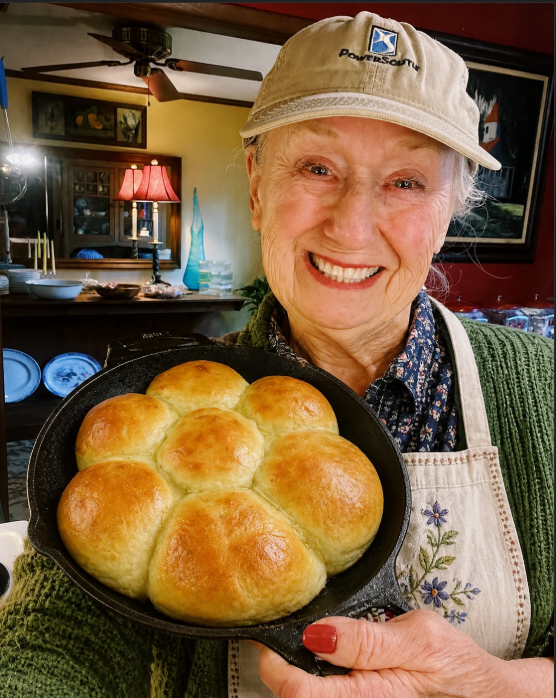
Mother’s Refrigerator Rolls – The Ultimate Make-Ahead Soft Dinner Rolls Recipe
There’s something timeless and comforting about homemade bread, especially when it comes to soft, buttery dinner rolls. If you are looking for a reliable, make-ahead bread recipe that delivers consistently fluffy and delicious results, Mother’s Refrigerator Rolls are exactly what you need. This classic recipe has been passed down through generations and continues to be a favorite for family dinners, holiday gatherings, and special occasions.
In this detailed guide, you will learn everything you need to know about making refrigerator rolls from scratch, including ingredients, step-by-step instructions, baking tips, storage methods, and expert advice to ensure perfect results every time.
What Are Refrigerator Rolls?
Refrigerator rolls are a type of yeast bread dough that can be prepared in advance and stored in the refrigerator for several hours or even days before baking. This method allows the dough to develop deeper flavor while also giving you flexibility in timing.
Unlike traditional bread recipes that require immediate shaping and baking, this dough can be kept for up to a week. You simply take out the amount you need, shape it, let it rise, and bake fresh rolls whenever you want.
Why You’ll Love This Recipe
There are many reasons why Mother’s Refrigerator Rolls stand out:
- Make-ahead convenience – Prepare the dough in advance and bake when needed
- Soft and fluffy texture – Light, airy rolls with a golden crust
- Rich buttery flavor – Enhanced with melted butter or margarine
- Perfect for holidays – Ideal for Thanksgiving, Christmas, or family dinners
- Beginner-friendly – Simple steps that are easy to follow

Ingredients for Mother’s Refrigerator Rolls
To make these classic rolls, you’ll need the following ingredients:
Main Ingredients
- 2 packages active dry yeast
- 1 large egg, beaten
- 3/4 teaspoon salt
- 1/2 cup plus 1 tablespoon granulated sugar
- 1/2 cup warm water (not too hot)
- 1/2 cup shortening (Crisco or lard)
- 2 cups warm water (not hot)
- 6 cups all-purpose flour (preferably bread flour for best results)
For Finishing
- 2 sticks margarine or butter (for dipping and brushing)
Step-by-Step Instructions
Step 1: Activate the Yeast
In a small bowl, dissolve the yeast in 1/2 cup of warm water. Make sure the water is not too hot, as high temperatures can kill the yeast. Let it sit for a few minutes until it becomes foamy.
Step 2: Prepare the Egg
Beat the egg lightly with a fork and set it aside. This will help add richness and structure to the dough.
Step 3: Mix the Base Ingredients
In a large mixing bowl, combine the shortening, salt, and sugar. Mix well until everything is evenly incorporated.
Step 4: Combine Wet Ingredients
Add the beaten egg, yeast mixture, and 2 cups of warm water into the bowl. Stir thoroughly to combine all ingredients.
Step 5: Add Flour
Gradually mix in the 6 cups of flour. Continue stirring until a soft dough forms. The dough should be slightly sticky but manageable.
Step 6: Ensure Even Mixing
Scrape down the sides of the bowl to ensure all ingredients are fully incorporated. This step is important for consistent texture.
Step 7: Refrigerate the Dough
Transfer the dough into a large, lightly oiled bowl. Grease the top of the dough as well to prevent drying. Cover tightly with plastic wrap and place it in the refrigerator overnight.
The dough can be stored for up to one week, making it extremely convenient for busy schedules.
Shaping and Baking the Rolls
Step 8: Knead the Dough
When ready to bake, remove the dough from the refrigerator. Turn it onto a floured surface and knead gently.
Step 9: Cut and Shape
Use a floured cutter or your hands to shape the dough into rolls. Before placing them in the pan, dip each piece into melted margarine or butter for added flavor.
Arrange the rolls in a baking pan.
Step 10: Let the Dough Rise
Cover the shaped rolls with a cloth or waxed paper. Allow them to rise in a warm place until they double in size. This step is essential for achieving light and fluffy rolls.
Step 11: Bake
Preheat your oven to 375°F (190°C). Bake the rolls for about 15 to 20 minutes, or until they turn golden brown on top.
Step 12: Brush with Butter
Once the rolls are out of the oven and still hot, brush them generously with melted margarine or butter using a pastry brush. This adds shine and enhances the flavor.
Tips for Perfect Refrigerator Rolls
Use the Right Temperature Water
Water that is too hot can kill the yeast, while water that is too cold won’t activate it properly. Aim for warm water around 100–110°F.
Do Not Overwork the Dough
Handling the dough too much can make the rolls dense. Keep it light for a softer texture.
Avoid Too Much Flour
Using excess flour during shaping can make the rolls heavy. Use just enough to prevent sticking.
Allow Proper Rising Time
Do not rush the rising process. The dough needs enough time to double in size for the best texture.
Storage and Make-Ahead Tips
Refrigeration
The dough can be stored in the refrigerator for up to one week. This makes it perfect for preparing ahead of time for events or busy weekdays.
Freezing
You can also freeze the dough after shaping. When ready to use, thaw it in the refrigerator overnight, let it rise, and bake as usual.
Storing Baked Rolls
Store baked rolls in an airtight container at room temperature for up to 2 days. For longer storage, refrigerate or freeze them.
Serving Suggestions
Mother’s Refrigerator Rolls are incredibly versatile and pair well with a variety of dishes:
- Roast chicken or turkey
- Beef stew or pot roast
- Holiday meals like Thanksgiving dinner
- Soups and salads
- Breakfast with butter and jam
They can also be used as sandwich rolls or sliders.
Common Mistakes to Avoid
Not Activating the Yeast Properly
If the yeast doesn’t foam, it may be inactive. Always check your yeast before using.
Skipping the Refrigeration Step
The resting time in the fridge helps develop flavor and improves texture.
Overbaking
Keep an eye on the rolls while baking. Overbaking can make them dry.
Why This Recipe Works
This recipe combines traditional baking techniques with the convenience of modern meal prep. The use of refrigeration allows the dough to ferment slowly, resulting in:
- Better flavor development
- Improved texture
- Flexible baking schedule
The addition of shortening and butter ensures that the rolls remain soft and rich.
Final Thoughts
Mother’s Refrigerator Rolls are more than just a bread recipe—they are a tradition. With their soft texture, buttery flavor, and make-ahead convenience, they are perfect for both everyday meals and special occasions.
Whether you are an experienced baker or just starting out, this recipe offers a foolproof way to create delicious homemade rolls that everyone will love.
Take the time to prepare the dough, follow the steps carefully, and enjoy the rewarding experience of baking fresh, warm rolls straight from your oven.

